
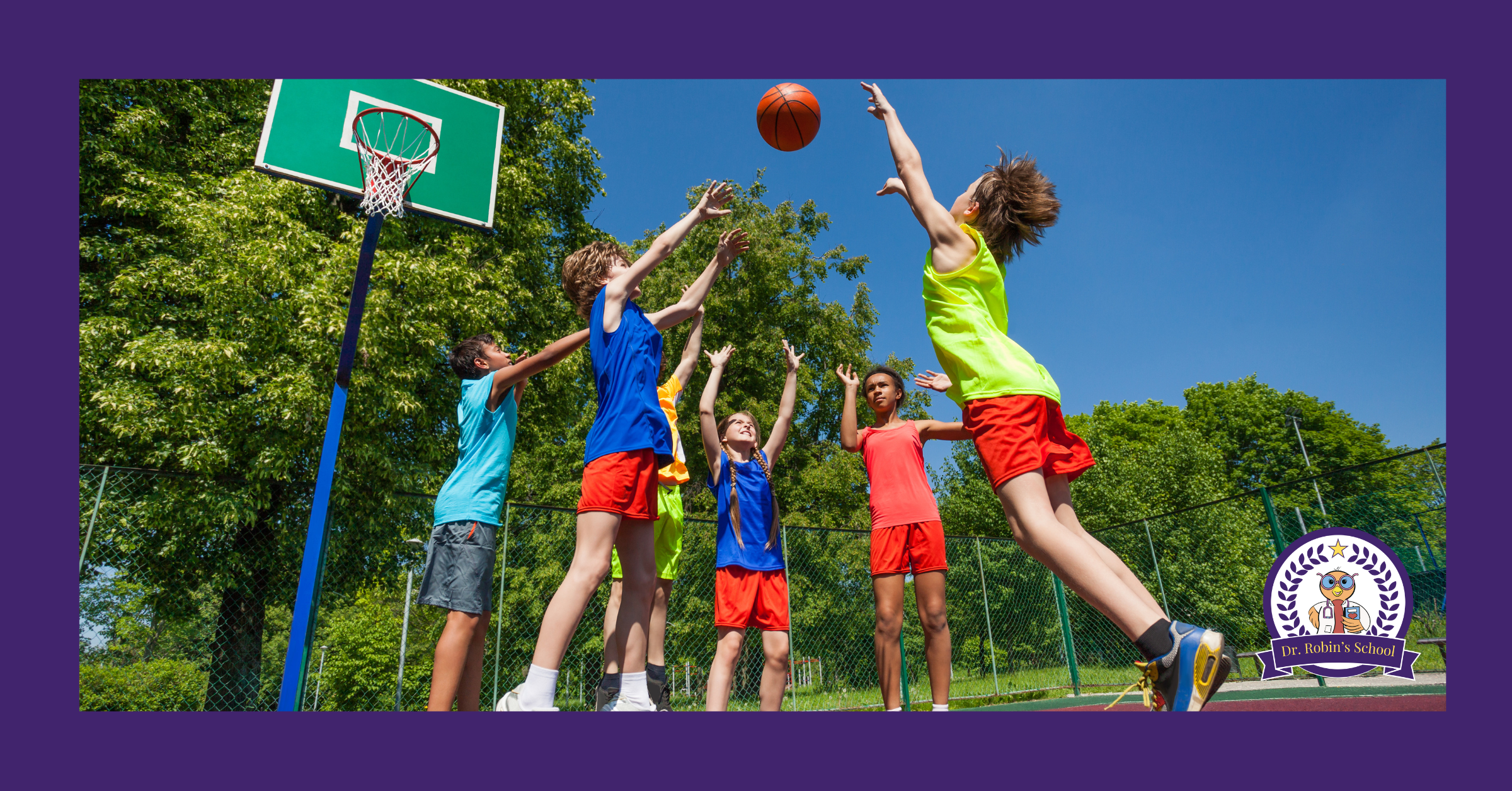
In today’s world of screens and busy schedules, encouraging physical activity can feel like an uphill battle. However, regular exercise is essential for both physical and mental well-being, and it’s a crucial habit to instill during these formative years. This conversation isn’t about getting your child to the gym; it’s about fostering a lifelong love of movement and helping them discover the joy of being active. This is often done outside of the places we often associate with “being fit” and instead focuses on enjoyable daily habits.
The Foundation: Benefits of Physical Activity
We all know the benefits of regular physical activity! From strengthening bones and muscles to improving cardiovascular health, exercise helps many aspects of physical development. It is also really important for mental health, reducing stress, improving mood, and boosting self-esteem. For teens and tweens, who are navigating significant physical and emotional changes, these benefits are particularly important.
Parent Preparation: Leading by Example
Before you sit down for a conversation with your child, consider your own activity levels and attitudes around physical activity. Do you find it fun? Treat it as a necessary evil? Put a lot of pressure on your kids to enjoy the same activities as you? Children are more likely to adopt healthy habits if they see their parents doing the same. It can be fun to find activities that you enjoy doing together as a family, whether it’s hiking, biking, playing sports, or simply going for a walk. Making physical activity a shared experience not only benefits everyone’s health but also strengthens family bonds.
At the same time, you’ll work against yourself if physical activity becomes a high pressure topic for your tween or teen to rebel against.
Making it easy to stay active can make a huge difference! This could involve setting up a designated space for exercise at home, investing in some sports equipment, or simply making time in the family schedule for active pursuits. Talk to your child about their interests and explore different options together.
Conversation Tips: Making it Fun and Engaging
The most important thing to remember when talking to your teen or tween about physical activity is to focus on fun and enjoyment. Avoid framing exercise as a chore or a punishment. Instead, emphasize the positive aspects – the feeling of accomplishment, the increased energy, and the social connections that can be made through sports and other activities.
Help your child find activities that they genuinely enjoy and are good at. This could be anything from team sports like basketball or soccer to individual pursuits like swimming, dancing, or martial arts. The key is to find something that sparks their interest and makes them want to keep moving.
Positive reinforcement is a powerful motivator. Avoid comparing them to others or focusing solely on performance. Instead, acknowledge their effort and dedication.
Exploring Different Activities Together
Middle and high school are a great time to explore different types of physical activity. Encourage your child to try new things and discover what they like. This could involve signing them up for an extramural ultimate frisbee team, joining a marching band, or simply exploring different hiking trails in your area. Don’t be afraid to experiment and see what sticks.
Setting Realistic Goals
Help your child set realistic and achievable goals. Suddenly flinging themselves into an intense schedule is usually destined to fail. Avoid setting overly ambitious goals that could lead to frustration and discouragement.
The Importance of Consistency
Talk to your child about the importance of consistency. Regular physical activity is more beneficial than sporadic bursts of exercise and prevents injuries. Help them establish a routine that fits into their schedule and that they can stick to in the long run.
Avoiding Pitfalls: What to Watch Out For
One of the biggest mistakes parents can make is forcing their child to participate in activities they dislike. This can create a negative association with exercise and make them resistant to future attempts. Similarly, avoid making exercise a punishment. This can also lead to resentment and make them less likely to engage in physical activity in the future.
Be patient and understanding. It may take some time for your child to find activities they enjoy. Don’t pressure them or try to force them into something they’re not interested in. Instead, keep exploring different options and offer your support and encouragement.
Conversation Cards and a Waitlist for Making More Humans
Start the conversation today with 138 printable prompts that make big talks feel low-stakes and natural—even with skeptical tweens and teens.
This will also put you on the waitlist for Making More Humans, a complete human reproduction program for ages seven and up.
Waitlist Perks:
- (Public enrollment opens June 2.)
- Immediate Access: Download your conversation cards the second you join.
- Early Enrollment: Get first dibs on the full program starting May 27.
Journaling Prompts: Reflecting on Movement
Here are some journaling prompts for both you and your child to further explore these topics:
For your child:
- What are some physical activities that you enjoy doing?
- How do you feel after you’ve been physically active?
- How do you imagine yourself being physically active in the next few months?
- How can you incorporate more activity into your daily routine?
For you:
- What are my own attitudes and beliefs about physical activity?
- How can I create a more supportive environment for my child to be active?
- What are some ways I can model healthy habits related to physical activity?
- How can I help my child discover the joy of movement?
By focusing on fun, exploration, and positive reinforcement, you can help your teen or tween develop a lifelong love of physical activity and reap the numerous benefits it offers for both body and mind. Remember, it’s not about becoming a star athlete; it’s about fostering a healthy and active lifestyle that will benefit them for years to come.