
Explanation of the Series
This 10-part series, “10 Important Conversations to Have with Your Kids,” provides parents with guidance on crucial topics to discuss with their teens and tweens. Written by family physician, Dr. Robin Dickinson, MD, each article offers background information, preparation tips, conversation dos and don’ts, and journaling prompts for both parent and child. These prompts can be used for journaling, writing assignments, or further discussion. Below is the list of topics Dr. Robin will cover.
- Nutrition & Healthy Eating
- Physical Activity & Exercise
- Sleep & Healthy Habits
- Online Safety & Digital Citizenship
- Body Image & Self-Esteem
- Puberty & Physical Changes
- Healthy Relationships
- Substance Use & Addiction
- Mental Health & Well-being
- Goal Setting & Personal Growth
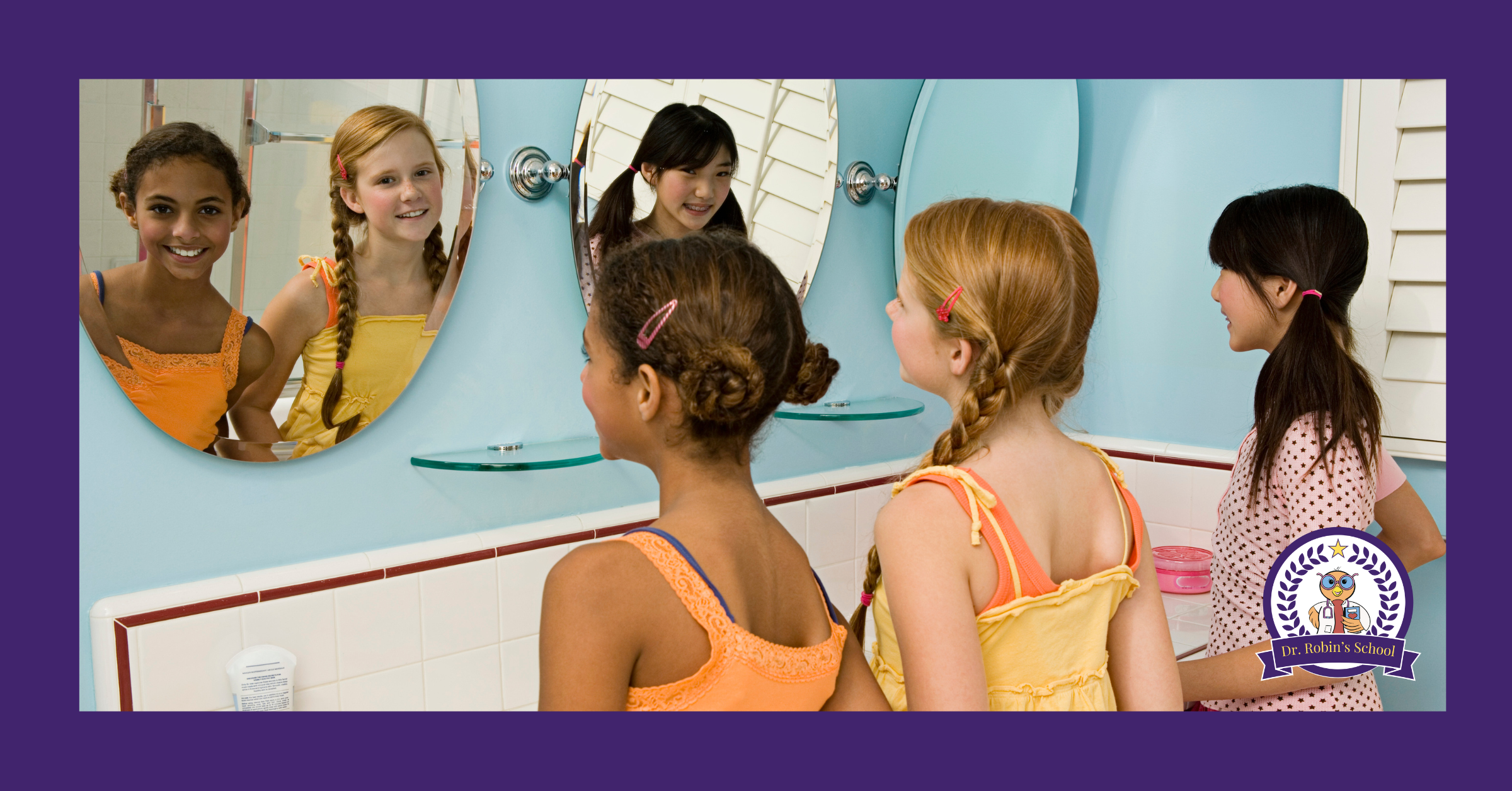
Middle and high school are a minefield when it comes to body image and self-esteem. As children’s bodies change and they become increasingly aware of societal pressures, they can be particularly vulnerable to negative self-perception. This conversation isn’t about complimenting their looks; it’s about fostering a deep sense of self-worth that goes beyond physical appearance. It’s about helping them build resilience and navigate the challenges of adolescence with confidence and self-acceptance.
The Foundation: The Impact of Media and Social Media
The media, and particularly social media, plays a significant role in shaping body image. Even students who aren’t themselves on social media are still surrounded by a culture immersed in it. Middle and high schoolers are constantly bombarded with images of idealized and often unrealistic bodies, which can lead to feelings of inadequacy and comparison. The curated and often heavily edited content on social media can create a distorted view of reality, making it difficult for young people to appreciate their own bodies and unique qualities.
It’s important to understand that even if you don’t allow your child on social media, there isn’t a magic box that keeps social media from influencing other aspects of culture. Whether it’s conversations with other kids, social media influencers showing up in traditional media, or more subtle ways that society has shifted, we’re all being influenced by it.
The Importance of Self-Acceptance and Positive Self-Talk
Self-acceptance, the ability to appreciate and value oneself regardless of perceived imperfections, is crucial for building healthy self-esteem. A lot of people think that self-esteem means just blindly thinking you’re perfect. In reality, someone with a healthy self-esteem is able to admit their faults without dwelling on them. It involves recognizing and celebrating one’s strengths and positive qualities, both internal and external, while working on any areas of difficulty without seeing them as a personal flaw. Positive self-talk, the practice of replacing negative thoughts with positive truths, can help to challenge negative self-perceptions and build confidence.
It has been shown that simply repeating positive affirmations can actually have a negative impact on people who do not believe what they are saying. What’s more impactful is to help a child not catastrophize their struggles while recognizing their true strengths.
Signs of Low Self-Esteem
It’s important to be aware of the signs of low self-esteem in teens and tweens. These can include:
- Frequent negative self-talk
- Excessive concern about appearance
- Social withdrawal or isolation
- Changes in eating habits or sleep patterns
- Difficulty accepting compliments
- Increased sensitivity to criticism
Parent Preparation: Reflecting on Your Own Relationship with Your Body
Before talking to your child, it’s essential to reflect on your own relationship with your body and how it might influence them. Children often internalize their parents’ attitudes and beliefs about body image. If you frequently criticize your own body or express dissatisfaction with your appearance, it should not surprise you if your child develops similar insecurities. I cannot tell you how many times I have listened to a mom criticize a variety of details about her own body and then turn right around and worry about why her daughter is so anxious about her looks, self-conscious, etc.
It can help you to identify and limit your own exposure to unrealistic or harmful media portrayals. While it’s important to talk to your child about how images are often photoshopped or filtered and that they don’t represent reality, you need to also watch what you’re putting into your own mind. It can be very empowering to a child to work together to be critical consumers of media and to point out to each other the difference between idealized images and real bodies.
Conversation Tips: Open Communication and Support
Encourage open and honest discussions about body image and self-worth. Create a safe space for your child to express their feelings and concerns without judgment. Listen empathetically and validate their experiences. It’s important to be careful in trying to validate your child’s feelings to not end up implying that their fears are true. “I can understand why [fill in the blank] might cause you to worry about that! I’m so sorry you’re struggling with that. Would it be okay if we work together on….”
Help your child identify their own strengths and positive qualities. Focus on their character traits, hard work, and what their bodies allow them to do, not their physical appearance. Talk about the importance of kindness, compassion, and other qualities that make them unique and special. Help them understand that true beauty comes from within.
Avoiding Pitfalls: What to Avoid
One of the biggest mistakes parents can make is criticizing their own body or making negative comments about their child’s appearance. Even seemingly harmless comments can have a significant impact on a child’s self-esteem. Avoid focusing on physical appearance. Instead, emphasize the importance of health, well-being, and character.
Here’s a good rule of thumb: If it can’t be easily fixed, don’t mention it! So, if someone has spinach between their teeth, discretely let them know. But otherwise, there’s no need to comment on anyone’s appearance.
Don’t compare your child to others, whether it’s siblings, friends, or images in the media. Everyone is different, and comparisons can lead to feelings of inadequacy and resentment. Celebrate your child’s unique qualities and encourage them to embrace their individuality. (If you’re dealing with sibling rivalry or intense competition with other kids, this can be a hint that you might accidentally be comparing. I highly recommend the book, “Siblings without Rivalry” by Adele Faber and Elain Mazlish).
Conversation Cards and a Waitlist for Making More Humans
Start the conversation today with 138 printable prompts that make big talks feel low-stakes and natural—even with skeptical tweens and teens.
This will also put you on the waitlist for Making More Humans, a complete human reproduction program for ages seven and up.
Waitlist Perks:
- (Public enrollment opens June 2.)
- Immediate Access: Download your conversation cards the second you join.
- Early Enrollment: Get first dibs on the full program starting May 27.
Journaling Prompts: Exploring Self-Perception
Here are some journaling prompts for both you and your child to further explore these topics:
For your child:
- What are some things you like about yourself?
- What are some things that make you feel good about yourself?
- What media messages do you notice about people’s bodies and body image?
- How do your friends talk about their bodies?
For you:
- What are my own beliefs and attitudes about body image?
- How can I create a more supportive environment for my child to develop healthy self-esteem?
- What are some ways I can model positive body image and self-acceptance?
- How can I help my child appreciate their unique qualities and strengths?
By having open and honest conversations about body image and self-esteem, you can help your tween or teen develop a strong sense of self-worth that is rooted in self-acceptance and appreciation for their unique qualities. We want our children embracing their individuality and recognizing their inherent worth!
Check in next week when we’ll be focusing on the important topic of puberty and physical change!